English
 Arabic
An economic vision for a more stable and sustainable future

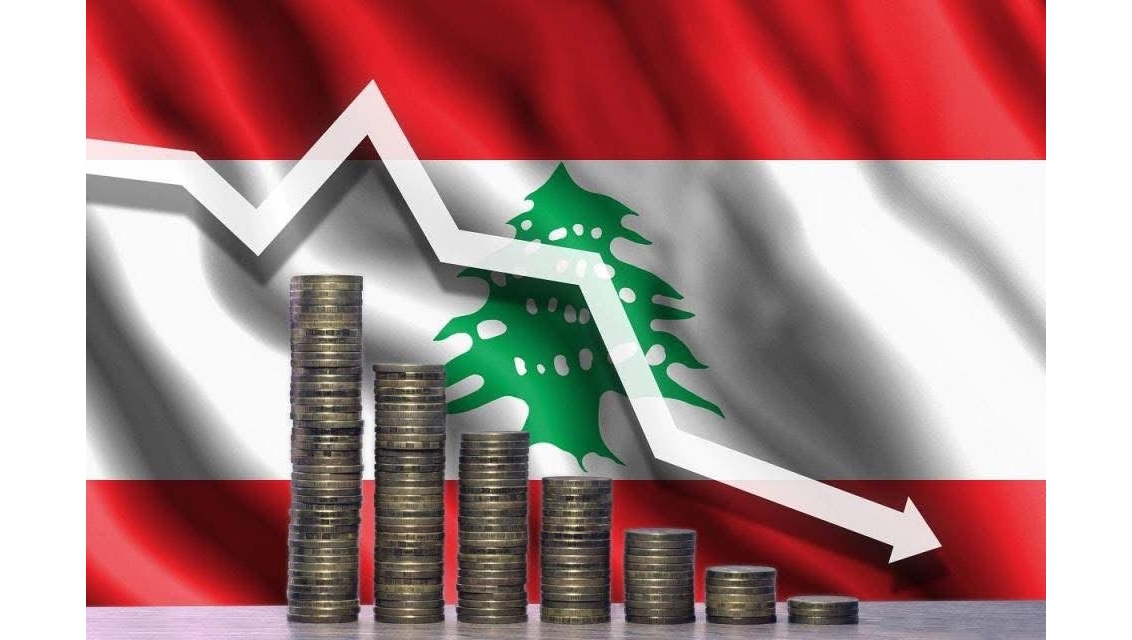
Lebanon’s economy today stands between the immediate devastation caused by war and the accumulated structural fragility of past years, amid the absence of an effective economic system capable of absorbing shocks and managing crises efficiently.
Preliminary estimates indicate that GDP may contract between 4% and as much as 15% in 2026, depending on the duration and severity of the conflict. Reconstruction costs are expected to reach billions of dollars, alongside rising inflation, a sharp deterioration in fiscal and monetary indicators, and a worsening external balance.
If this trajectory continues without swift and decisive intervention—combining targeted humanitarian assistance, credible international financial support, and deep governance reforms—Lebanon risks further deterioration and a prolonged phase of economic marginalization.
The International Economic Lobby emphasizes that the core challenge is not only the impact of war, but also the absence of a modern and structured economic framework capable of restoring confidence, attracting investment, and driving sustainable, real economic growth.
Without immediate reform measures, Lebanon faces the risk of a recovery gap that could extend over an entire generation, with severe consequences for both economic and social stability.
International Economic Lobby
An economic vision for a more stable and sustainable future