English
 Arabic
Lebanon's Trade
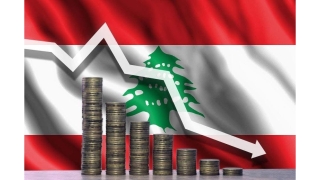

According to the Lebanese Customs Administration, Lebanon’s cumulative trade deficit increased by 23.06% year-over-year (YoY), to reach $1.36B by January 2026. This change was attributed to a decrease in exports of 47.83% YOY and increase in imports by 6.87% YOY during the same period.
The increase of Lebanon’s trade deficit is largely reflecting the impact of persistent regional and geopolitical pressures in addition to Lebanese economic and financial situation. Ongoing tensions along the southern border continued to disrupt economic activity and logistics, weighing on trade flows and investor confidence are affecting exports negatively. Meanwhile, persistent political uncertainty and the absence of structural economic reforms led to decrease in competitiveness of Lebanese exports. Limited production capacity, high production costs (energy and transportation) and restricted access to financing are major reasons for competitiveness drawback. On the imports front, main factor that drove imports upward is the increase in consumer demand due mostly to Lebanon’s dependence on remittances from expats spread across continents.